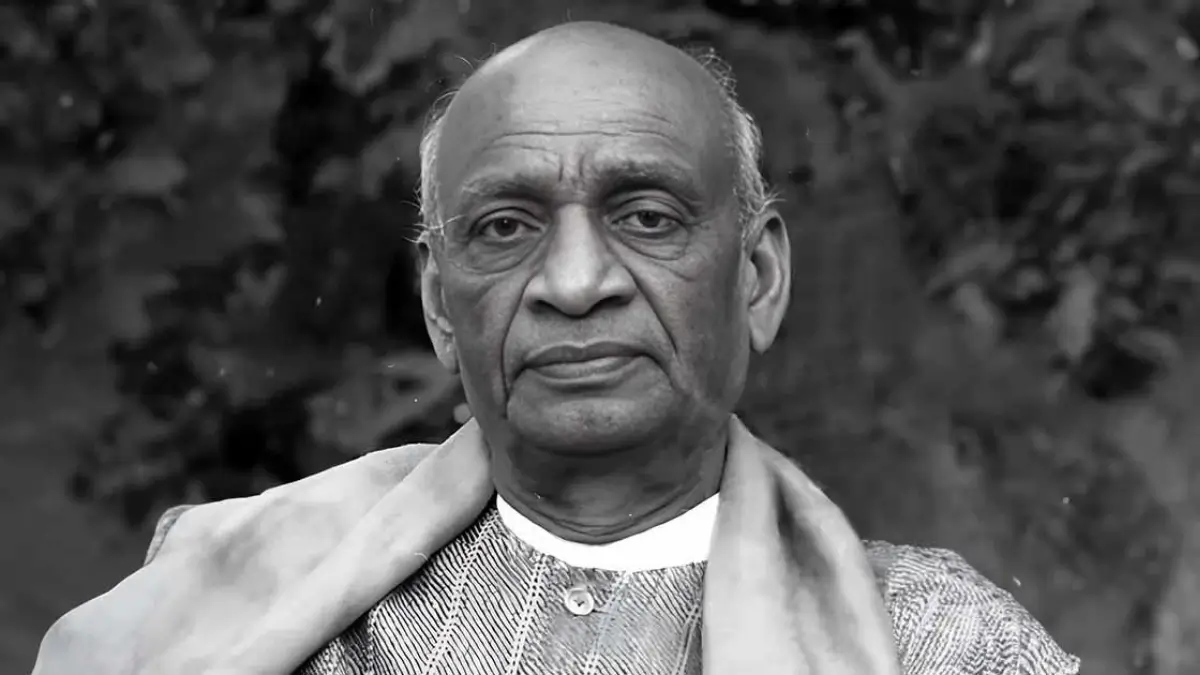
Sardar Vallabhbhai Patel
Born:
Died:
1875
1950
State:
Gujarat
Summary:
Sardar Vallabhbhai Patel was a key leader of India’s freedom struggle and the chief architect of national integration, best known for unifying princely states and strengthening India’s administrative and political foundations after independence.
Biography:
Vallabhbhai Patel was born on 31 October 1875 in Nadiad, Gujarat. Trained as a lawyer, he was inspired by Mahatma Gandhi and soon became an important leader within the Indian National Congress. Patel gained national recognition through his leadership in agrarian movements, particularly in Gujarat, where he organized peasants against unjust colonial policies.
Patel played a major role in mass movements such as Non-Cooperation, Civil Disobedience, and Quit India. Known for his organizational skills, firmness, and discipline, he was respected across political lines and served as Congress President in 1931.
After independence, Patel became India’s first Deputy Prime Minister and Home Minister. He led the integration of over 560 princely states into the Indian Union, ensuring political unity and stability. His decisive leadership earned him the title “Iron Man of India.” Patel passed away on 15 December 1950, leaving a legacy of national unity and strong governance.
Key Movements:
- Kheda Satyagraha
- Bardoli Satyagraha
- Non-Cooperation Movement
- Civil Disobedience Movement
- Integration of Princely States