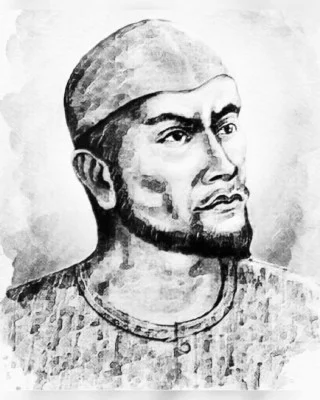
Peer Ali Khan
Born:
Died:
1812
1857
State:
Bihar
Summary:
Peer Ali Khan was a brave revolutionary who played a key role in organizing the Indian rebellion of 1857 in Bihar. Known for his leadership and courage, he mobilized local fighters and inspired resistance against oppressive British practices. His execution by colonial authorities made him a symbol of early martyrdom in India’s struggle for freedom.
Biography:
Peer Ali Khan was born in 1812 in Bihar during a period of growing discontent against the British East India Company. Coming from a family that valued community leadership, he developed a keen sense of justice and responsibility toward the oppressed. Early exposure to local grievances against colonial policies shaped his nationalist sentiments.
During the 1857 uprising, Peer Ali Khan coordinated armed groups in Bihar, targeting British administrative outposts and rallying people to resist colonial authority. He emphasized protecting the local population and using tactical intelligence to counter superior British forces. His leadership strengthened the rebellion in the region and inspired others to join the struggle.
He was captured by British forces and executed in 1857. Despite his short life, Peer Ali Khan’s dedication and sacrifice left a lasting mark on Bihar’s history, inspiring subsequent generations to challenge colonial domination. His courage is remembered as an early example of organized local resistance in India’s freedom movement.
Key Movements:
- 1857 Rebellion in Bihar
- Organization of Local Armed Resistance
- Protection of Peasant and Local Communities
- Defiance Against British Land Revenue Policies