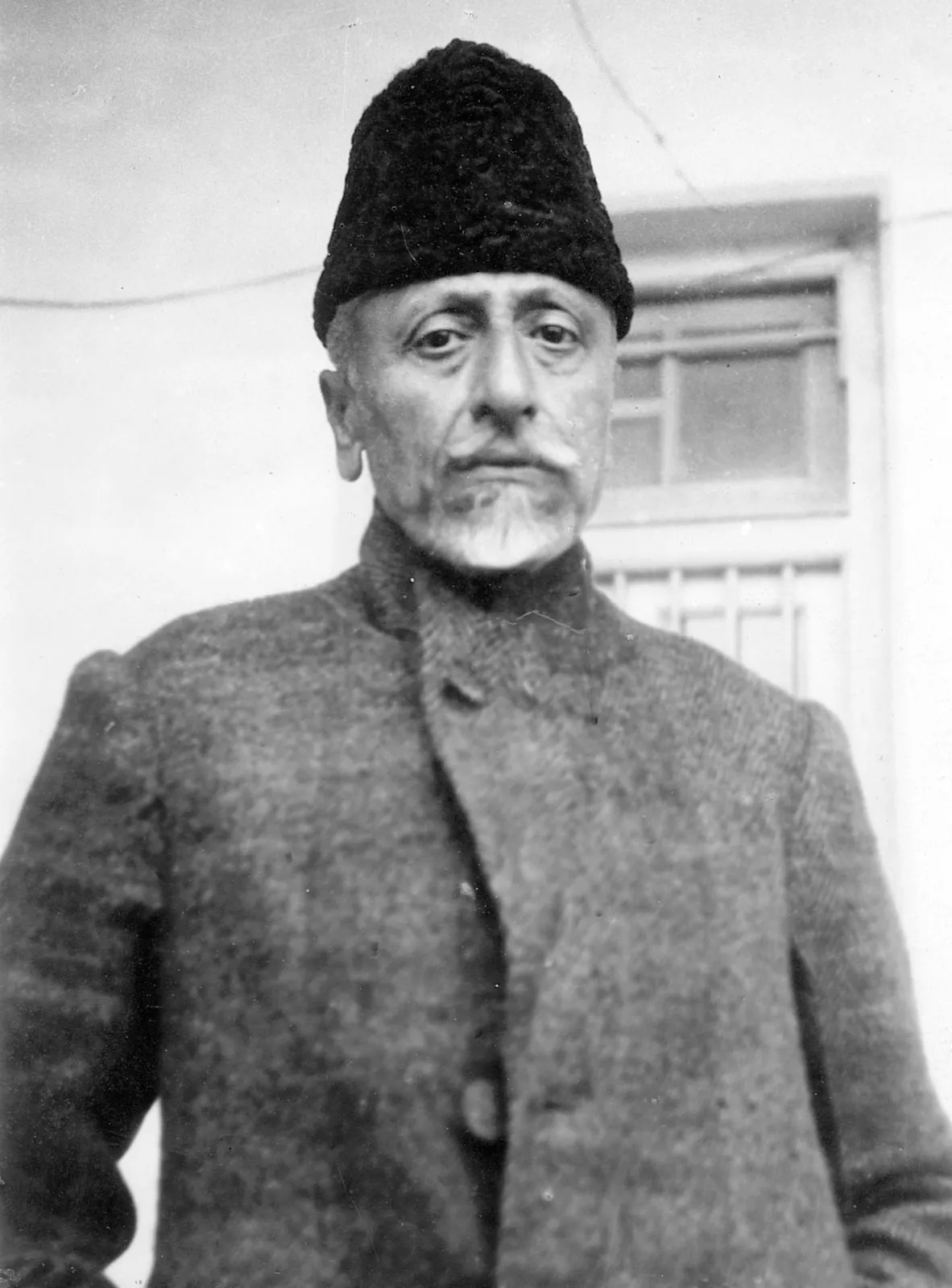
Maulana Abul Kalam Azad
Born:
Died:
1888
1958
State:
West Bengal
Summary:
Maulana Abul Kalam Azad was a prominent political leader, scholar, and freedom fighter who played a crucial role in India’s independence movement. He was a strong advocate of Hindu–Muslim unity and a key leader of the Indian National Congress.
Biography:
Maulana Abul Kalam Azad was born in 1888 in Mecca and later settled in India, where he became a renowned scholar of Islamic theology, philosophy, and politics. From a young age, he was deeply influenced by nationalist ideas and began writing extensively against British colonial rule through journals and publications.
He emerged as a leading figure in the Indian National Congress and played an important role in major movements such as the Non-Cooperation Movement. Azad strongly believed in unity among India’s diverse communities and consistently opposed communal politics and the partition of the country.
After independence, Maulana Azad served as independent India’s first Education Minister, laying the foundation for institutions of higher learning and promoting scientific and cultural education. He passed away in 1958, leaving behind a legacy of intellectual leadership, national unity, and dedication to India’s democratic ideals.
Key Movements:
- Leadership role in the Indian National Congress
- Active participation in the Non-Cooperation Movement
- Advocacy of Hindu–Muslim unity during the freedom struggle
- Opposition to the partition of India
- Contribution to nation-building as India’s first Education Minister