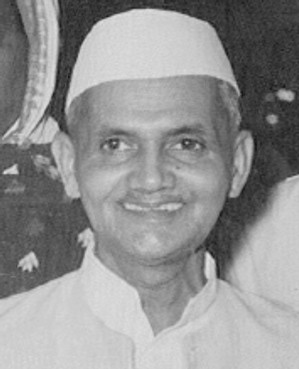
Lal Bahadur Shastri
Born:
Died:
1904
1966
State:
Uttar Pradesh
Summary:
Lal Bahadur Shastri was the second Prime Minister of independent India and a senior leader of the Indian National Congress. He is remembered for his simplicity, integrity, and leadership during challenging times, particularly during the 1965 India-Pakistan war.
Biography:
Lal Bahadur Shastri was born in 1904 in Mughalsarai, Uttar Pradesh. From an early age, he was influenced by the freedom struggle and joined the Indian independence movement, participating in non-violent protests and campaigns led by Mahatma Gandhi. His dedication to public service and ethical politics earned him a respected position in the Congress party.
Shastri served in various capacities after independence, including as Home Minister and Minister of Railways. He gained recognition for his administrative acumen and focus on agricultural and economic development, which were crucial for the young nation. His vision emphasized self-reliance, discipline, and grassroots empowerment.
In 1964, Shastri became the Prime Minister of India following Jawaharlal Nehru’s death. During his tenure, he promoted the White Revolution to increase milk production and introduced the slogan “Jai Jawan Jai Kisan” to inspire soldiers and farmers alike. He passed away in 1966 in Tashkent shortly after signing the Tashkent Agreement, leaving behind a legacy of humility, strong leadership, and dedication to India’s progress.
Key Movements:
- Leadership during the 1965 India-Pakistan War
- Promotion of the White Revolution (dairy development)
- “Jai Jawan Jai Kisan” campaign for soldiers and farmers
- Active participant in India’s independence movement