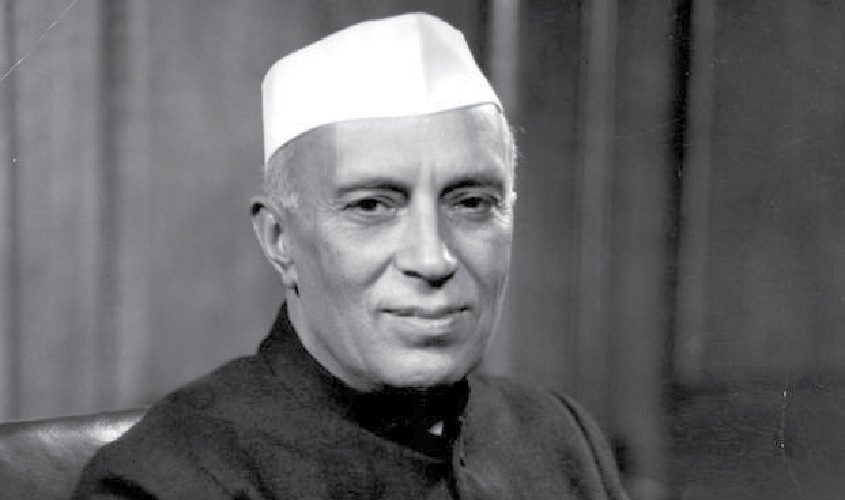
Jawaharlal Nehru
Born:
Died:
1889
1964
State:
Uttar Pradesh
Summary:
Jawaharlal Nehru was a central leader of India’s freedom struggle and the country’s first Prime Minister, playing a key role in shaping modern India through democratic institutions, scientific development, and independent foreign policy.
Biography:
Jawaharlal Nehru was born on 14 November 1889 in Allahabad into a prominent political family. Educated at Harrow and Cambridge, he was deeply influenced by liberal ideas, socialism, and nationalism. Returning to India, he joined the Indian National Congress and soon emerged as a close associate of Mahatma Gandhi.
Nehru became an important leader during major phases of the freedom movement, participating in mass agitations and facing repeated imprisonment under British rule. He played a significant role in the Non-Cooperation Movement, Civil Disobedience Movement, and Quit India Movement, and served multiple times as President of the Indian National Congress.
After independence in 1947, Nehru became India’s first Prime Minister. He focused on building democratic institutions, promoting scientific temper, industrialization, and education, while pursuing a policy of non-alignment in global affairs. He remained Prime Minister until his death on 27 May 1964, leaving a lasting impact on India’s political and intellectual foundations.
Key Movements:
- Non-Cooperation Movement
- Civil Disobedience Movement
- Quit India Movement
- Indian National Congress leadership
- Non-Aligned Movement