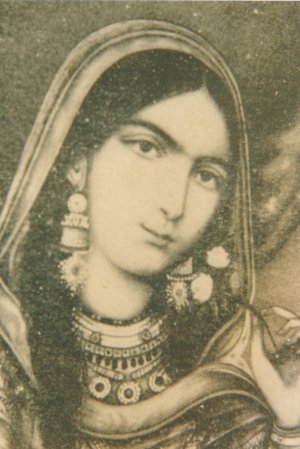
Begum Hazrat Mahal
Born:
Died:
1820
1879
State:
Uttar Pradesh
Summary:
Begum Hazrat Mahal was a courageous leader who played a pivotal role in India’s First War of Independence (1857), particularly in Lucknow. She is remembered for leading resistance against the British and defending her kingdom after her husband’s death.
Biography:
Begum Hazrat Mahal was born in 1820 in Faizabad, Uttar Pradesh. She became the wife of Nawab Wajid Ali Shah of Awadh and gained political influence during his reign. Following her husband’s exile by the British, she assumed leadership of the region and organized resistance against colonial forces.
During the 1857 Rebellion, she played a central role in mobilizing troops and civilians, defending Lucknow from British attacks, and coordinating with other rebel leaders. Her strategic leadership and bravery earned her widespread respect among the people and rebels alike.
Despite her efforts, the British eventually overpowered her forces. She fled to Nepal, where she lived in exile until her death in 1879. Begum Hazrat Mahal remains a symbol of courage, patriotism, and female leadership in India’s early resistance against colonial rule.
Key Movements:
- Leadership in the 1857 Rebellion in Lucknow
- Mobilizing soldiers and civilians to resist British forces
- Defending Awadh (Oudh) in the absence of the king
- Collaborating with other rebel leaders to challenge British control
- Continuing guerrilla resistance until being captured and exiled by the British