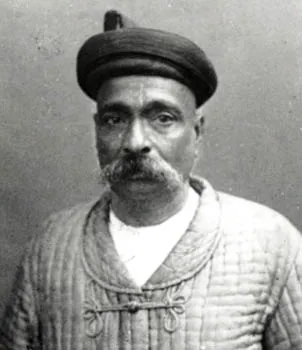
Bal Gangadhar Tilak
Born:
Died:
1856
1920
State:
Maharashtra
Summary:
Bal Gangadhar Tilak was a nationalist leader, social reformer, and freedom fighter who played a key role in awakening political consciousness in India. Known as the “Father of Indian Unrest,” he advocated assertive and radical methods to challenge British rule.
Biography:
Bal Gangadhar Tilak was born on 23 July 1856 in Ratnagiri, Maharashtra. Educated in Pune, he became a scholar, teacher, and lawyer, but soon dedicated himself to India’s freedom struggle. Tilak believed that India could achieve independence through assertive action and mass mobilization rather than relying solely on petitions and dialogue with the British.
He used cultural and religious platforms like Ganapati and Shivaji festivals to unite people and instill a sense of nationalism, while also promoting education through the Deccan Education Society. Tilak emphasized self-reliance and economic independence by encouraging the Swadeshi and boycott movements, challenging British economic control.
Tilak faced multiple imprisonments due to his outspoken criticism of British policies, yet he remained a guiding force for younger leaders and revolutionaries. He passed away on 1 August 1920, leaving a legacy of radical activism, mass political awareness, and a vision for Swaraj that inspired generations of Indians.
Key Movements:
- Promotion of Swadeshi and boycott movements
- Ganapati and Shivaji festivals to unite people and instill nationalism
- Founding of the Deccan Education Society to promote education
- Leadership in the Indian National Congress’s radical faction
- Advocacy for self-rule (Swaraj) and mass political mobilization